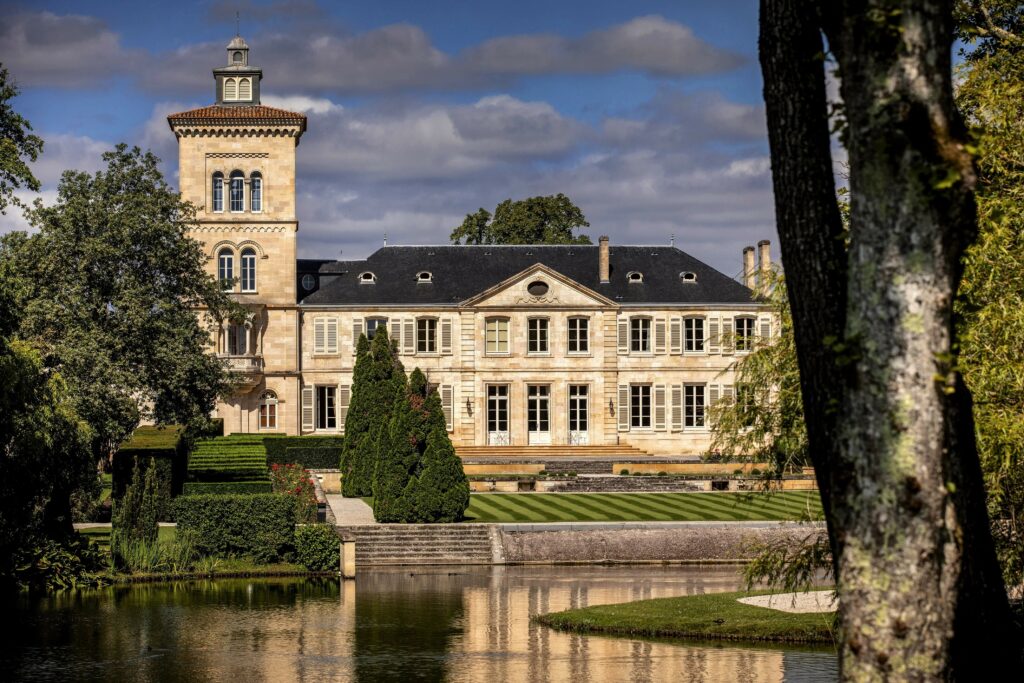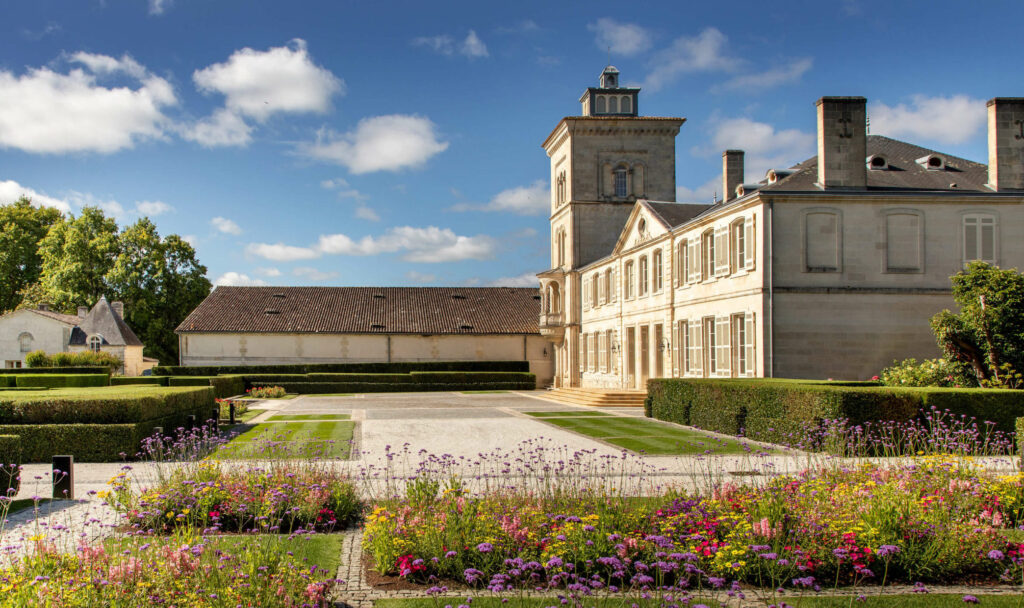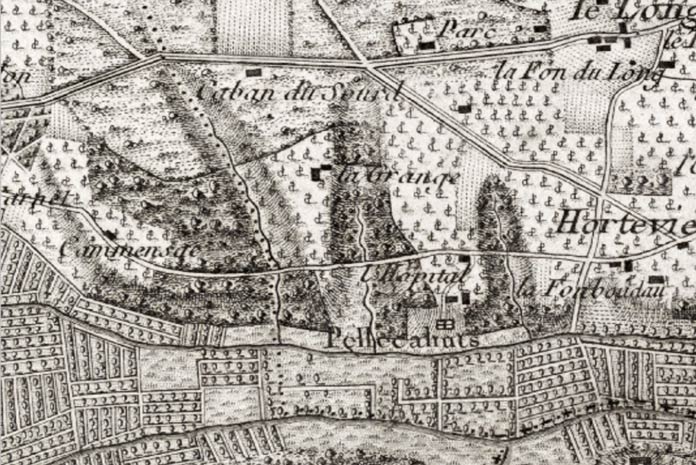
Back in the Middle Ages there were two separate entities: The first, the “Tenure of Pellecahus” was to the East of the brook running through the property. The other was located on a hillock to the west and was known as the “Noble House of Lagrange de Monteil”. These two estates were to join in the seventeenth century, and so Lagrange was born.
17th century
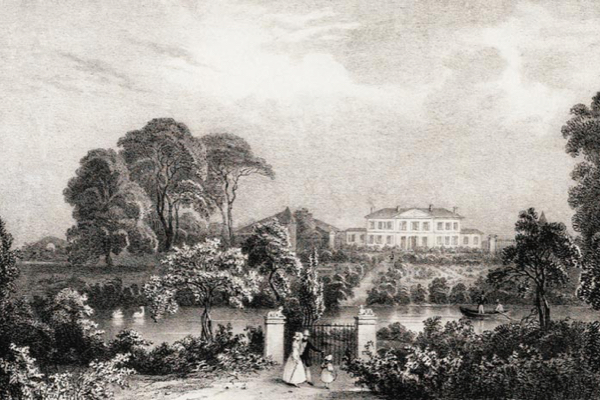
Château Lagrange belonged to the same family for almost two centuries, thus maintaining its unity. One of its more charismatic characters was a certain Charles de Branne de Cours, who managed the domain from 1712 to 1746. In the heart of the viticultural revolution, he and his rich Bordeaux family (who also owned Mouton) were to make Lagrange one of the most beautiful Médoc properties.
1712 till 1746
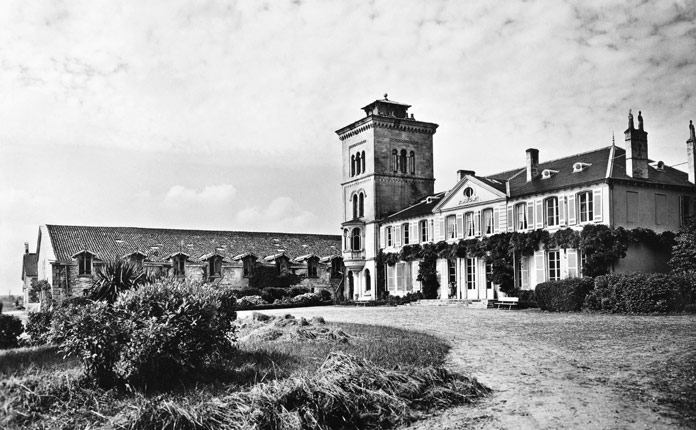
In 1787, Thomas Jefferson, then United States ambassador, ranked Lagrange as a Third Classified Growth.
Jean-Baptiste d’Arbouet sold Lagrange to Jean-Valère Cabarrus, his wife’s nephew, in 1790. Jean-Valère Cabarrus was from a renowned wine merchant family and chose to develop the viticultural activity of the estate.
1787
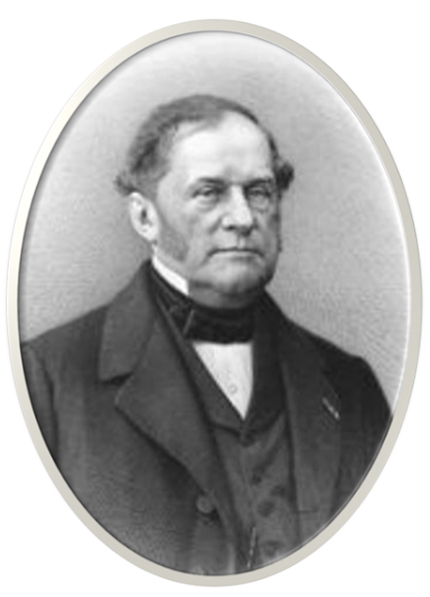
Lagrange’s heyday was between 1842 and 1875, when Count Duchâtel, Home Secretary to King Louis Philippe, was the owner. His visionary avant-garde approach meant Lagrange was awarded the rank of Third Classified Growth in the official 1855 classification.
1855
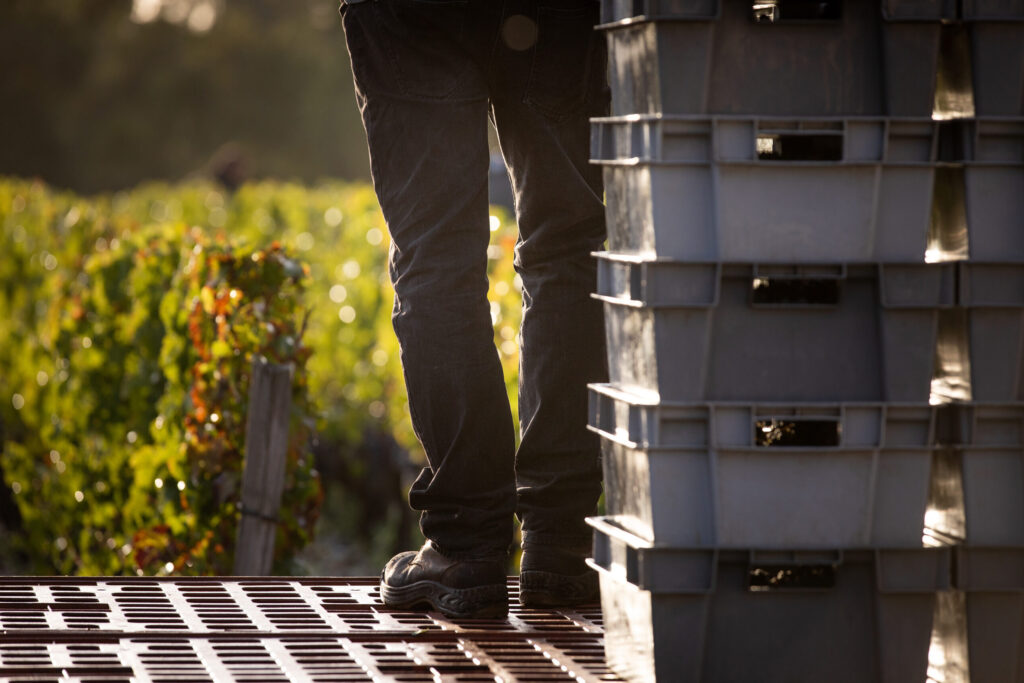
The family group, Suntory bought the property which was 157 hectares (56 hectares of vines).
Suntory’s chairman, Keizo Saji, and vice-chairman, Shinichiro Torii, decided to do the absolute maximum to allow the re-birth of this Grand Cru Classé.
Marcel Ducasse, graduate of the Bordeaux Institute of Oenology, was recruited to undertake a total re-structuring of the property alongside Kenji Suzuta and then Keiichi Shiina.
1925
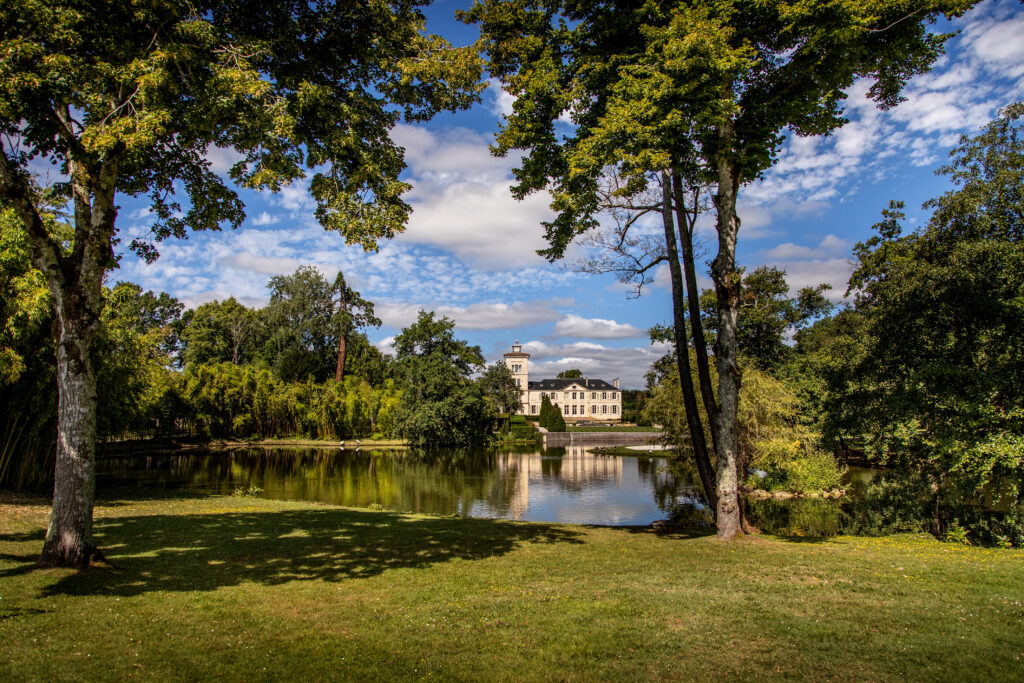
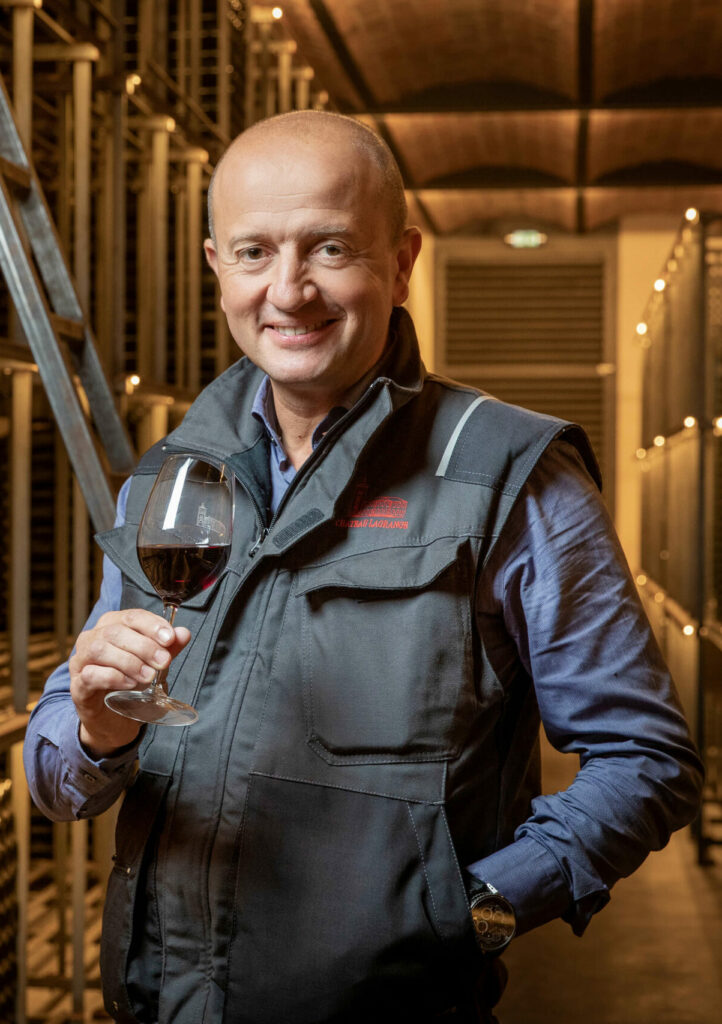
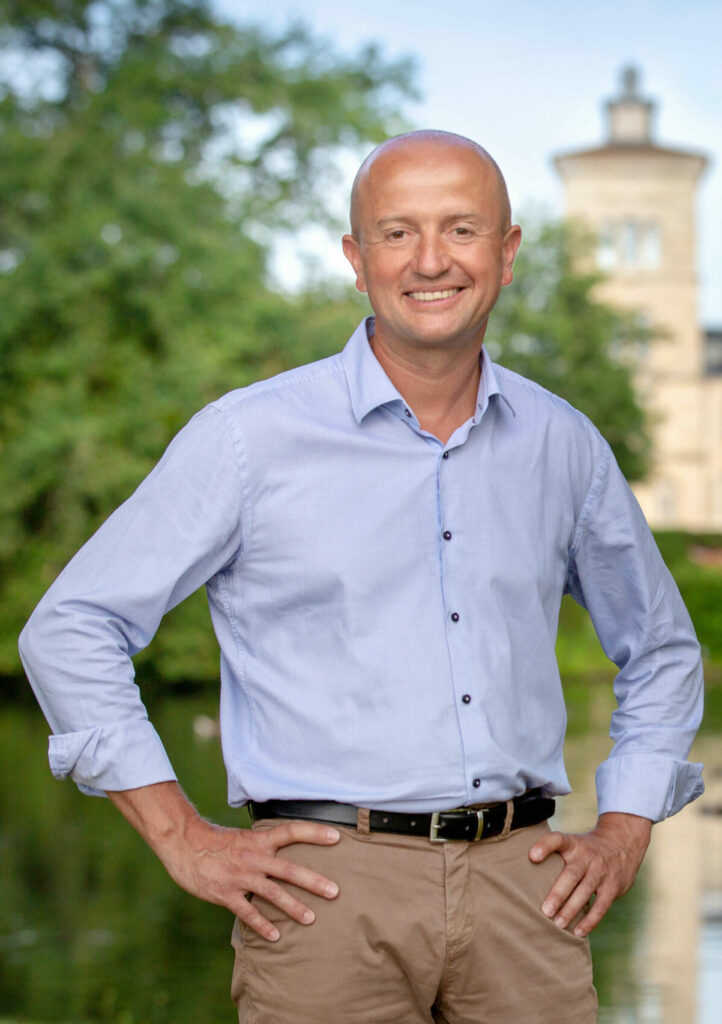
Today, Matthieu Bordes and his team are continuing to write Lagrange’s history, in a mindful quest for excellence, producing unique, distinguished wines of character, in keeping with the elegant Saint-Julien style.
Today